Open day for high schoolers held at Institute
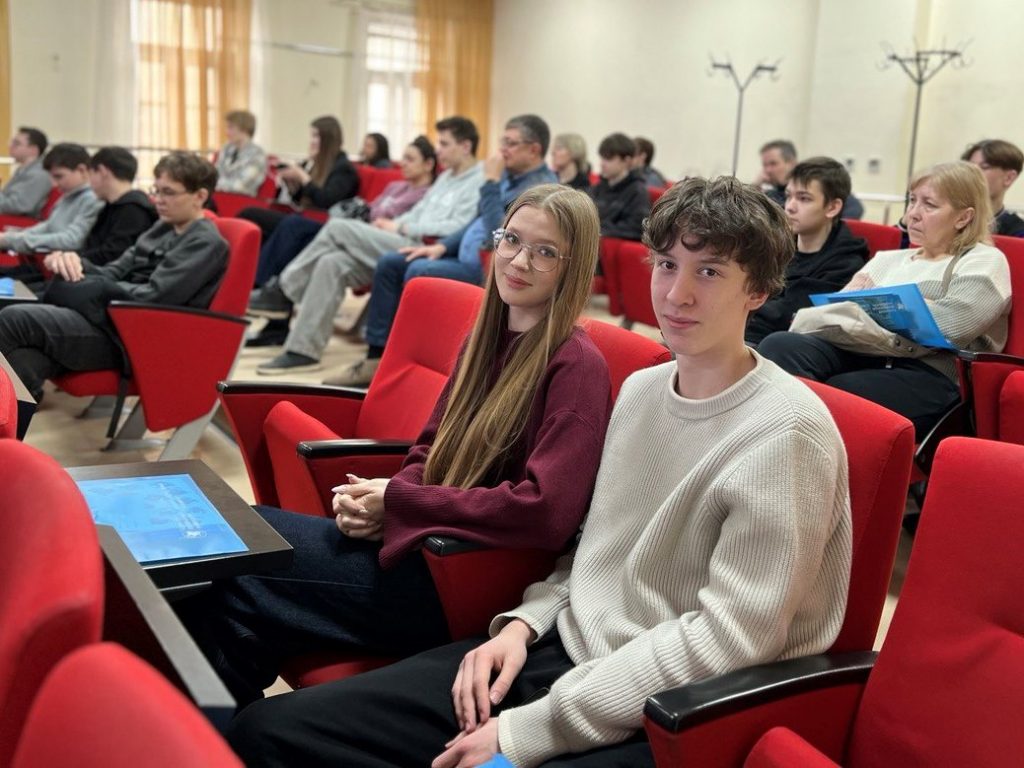
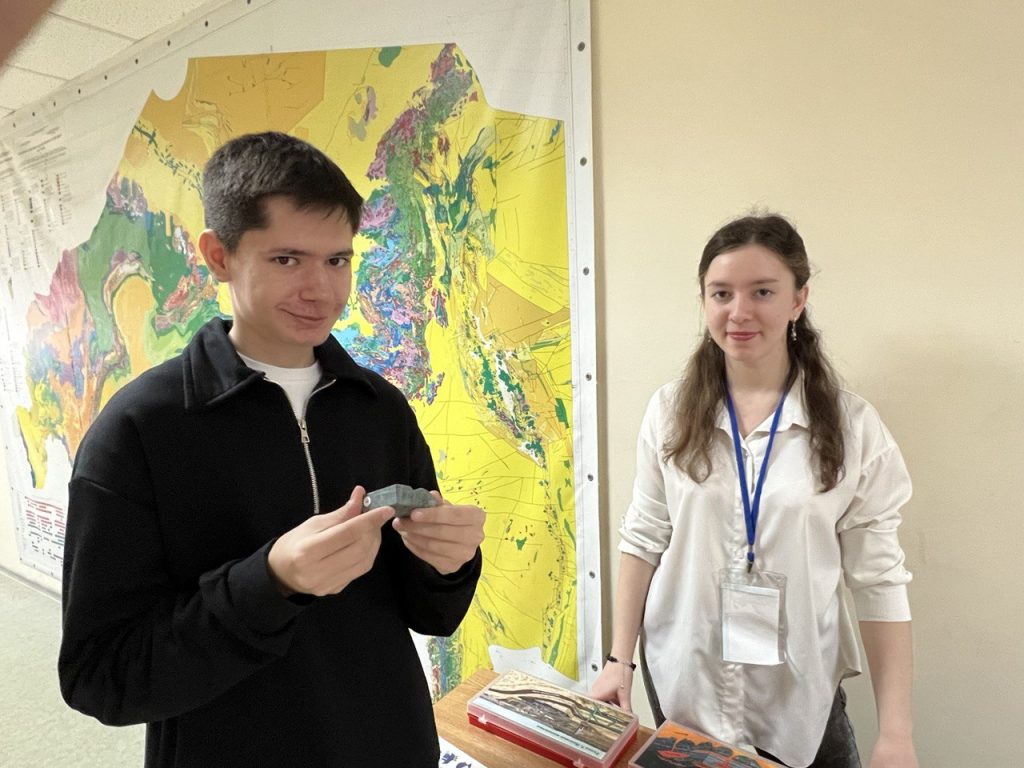
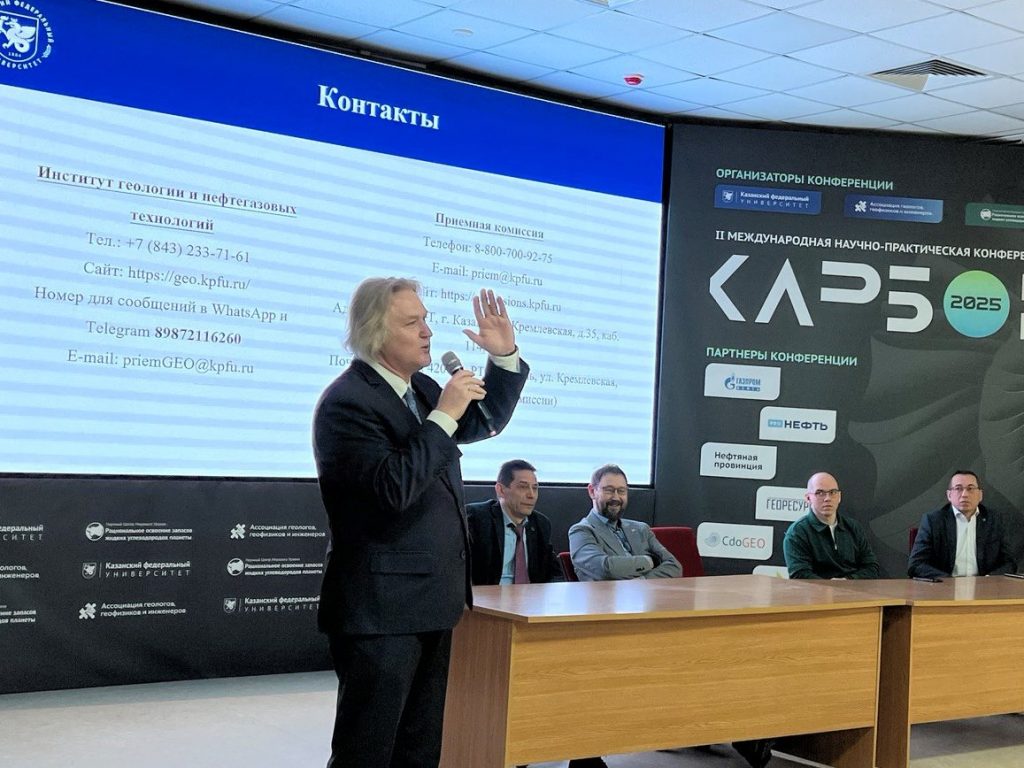
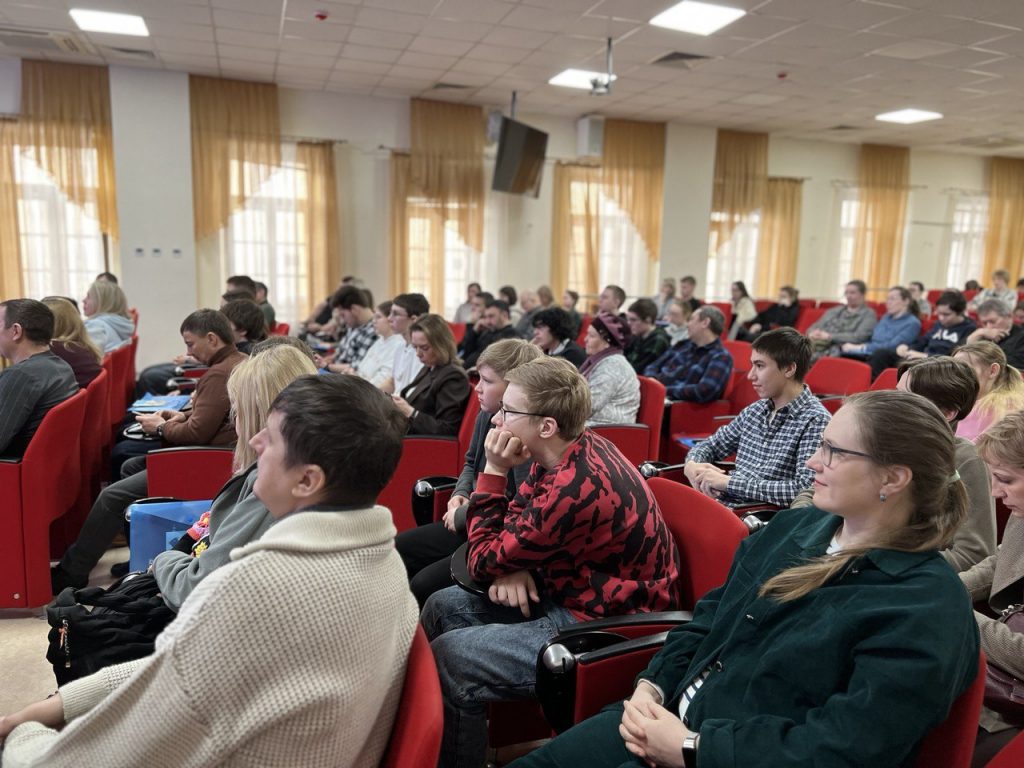
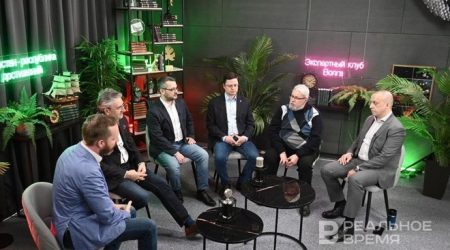
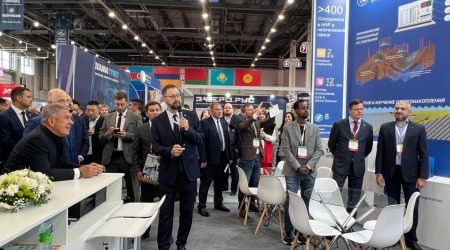
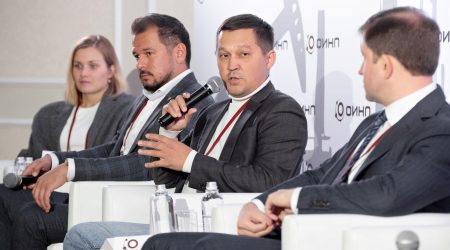
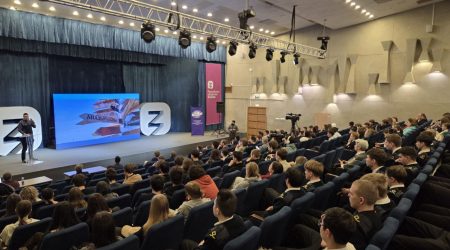
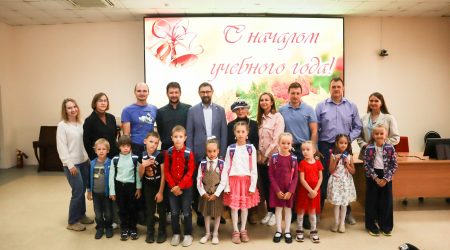
The program for the first Open Day of the year at the Institute of Geology and Petroleum Technologies was packed with activities: meetings with management, lectures, tours, games, and competitions.
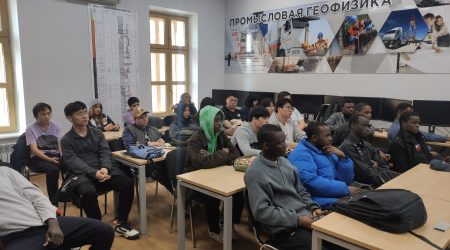
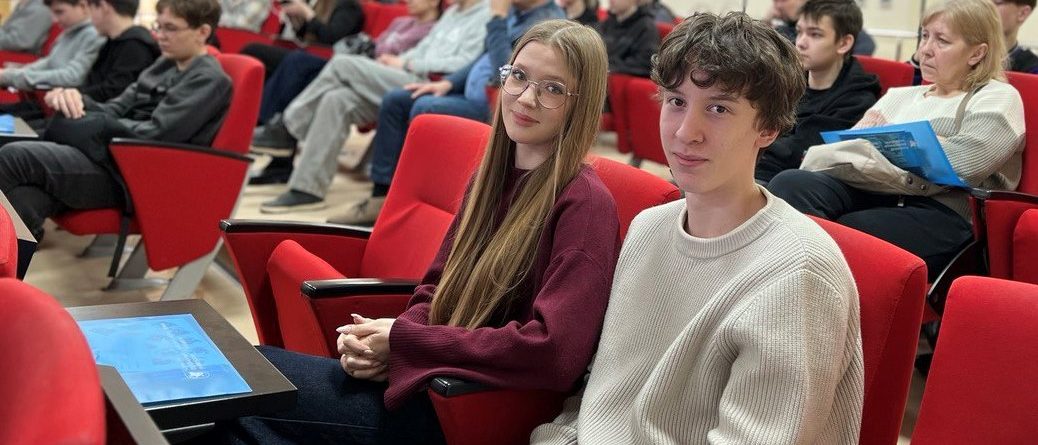
Not only Tatarstan schoolchildren but also students from other regions of the country participated. Participants received student ID cards and record books, which were graded by their instructors during lectures.
Opening the event, Danis Nurgaliev, Vice-Rector for Earth Sciences, noted that artificial intelligence is having a profound impact on all areas of human activity. As a result, some professions may soon disappear entirely.
“But geology will always exist as long as humanity lives on Earth,” he said.
The Vice-Rector reiterated that Russia is the largest and richest country in the world in terms of resources, and that the extraction of these resources will take a long time.
Dr Nurgaliev explained to students and their parents why so much attention is being paid today to minerals such as rare earth elements, hydrogen, and water.
“While oil and gas are very important, the most valuable mineral today is water,” he emphasized.
According to him, today’s schoolchildren will likely live to see human settlement on the Moon and Mars. As for mineral extraction, it will begin there in the coming decades.
“They will build habitats on Mars that will contain oxygen, and people will be able to live in them without spacesuits. This will happen in the next 50 years,” the scientist assured.
Danis Nurgaliev explained why he became a geophysicist and how his professional work has allowed him to visit all continents, including Antarctica.
“Guys, choose a profession that will not only provide you with a good salary but also allow you to live an interesting life,” he instructed. “You only have one life. Set big goals. If you want to go to Mars, then strive for it, and you’ll succeed!”
Andrey Teryokhin, Deputy Director for Academic Affairs, spoke about the uniqueness and versatility of the geologist’s profession, noting that their workplace is the entire planet Earth.
“As a classical university, we place great importance on fundamental sciences and fundamental education. At the same time, we teach our students how to work with the same software used in manufacturing companies and the technologies they employ. Our goal is not only to provide a profession but also to shape a unique worldview,” Teryokhin emphasized.
Ruslan Ulengov, Chair of the Department of Theory and Methodology of Geographical and Environmental Education, discussed the specifics of the 2026 admissions process and the pitfalls applicants may encounter.
“This year, all Russian universities and colleges are accepting students for contract-based tuition through a competitive process,” he explained.
The speaker added which individual achievements can earn additional points on the Unified State Exam (USE) and who will have priority for admission in the event of a tie. A number of other important issues were also discussed, including targeted training, passing scores, and more.
Ildus Chukmarov, Deputy Director for Continuing Education and Industrial Partnerships, spoke about the opportunity to undergo retraining at the Center for Advanced Training (CdoGEO) while studying at Kazan Federal University.
“If you want to become a metrologist, mine surveyor, geodesist, or economist, you’re welcome. Dreaming of earning a diploma in professional communication translation? Come visit us at the CdoGEO,” said Ildus Chukmarov. “I’d like to point out that company executives and specialists improve their skills with us. This means we can train students who will work for these companies.”
The meeting concluded with a Q&A session and a quiz. Afterward, the open day participants divided into groups. Each group had the opportunity to attend short lectures on geology, oil and gas engineering, lithology, and geophysics, as well as tour the institute’s laboratories and the Shtukenberg Geological Museum.