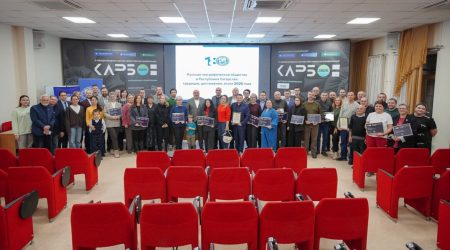
Joint initiatives discussed with Novatek Scientific and Technological Center
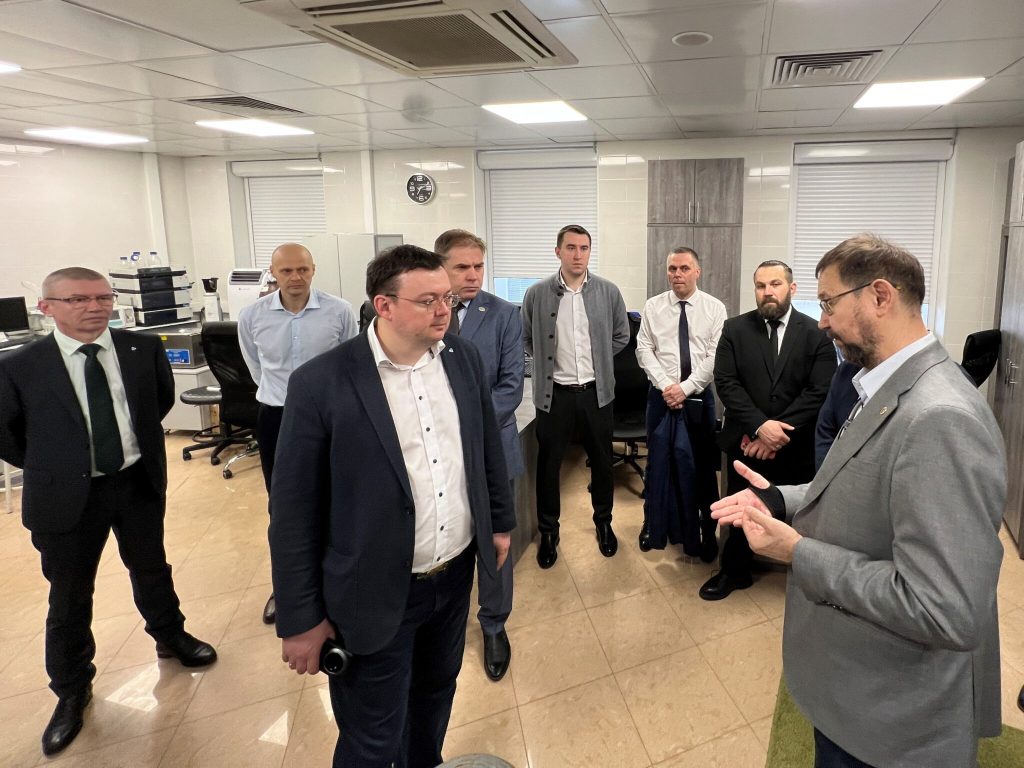
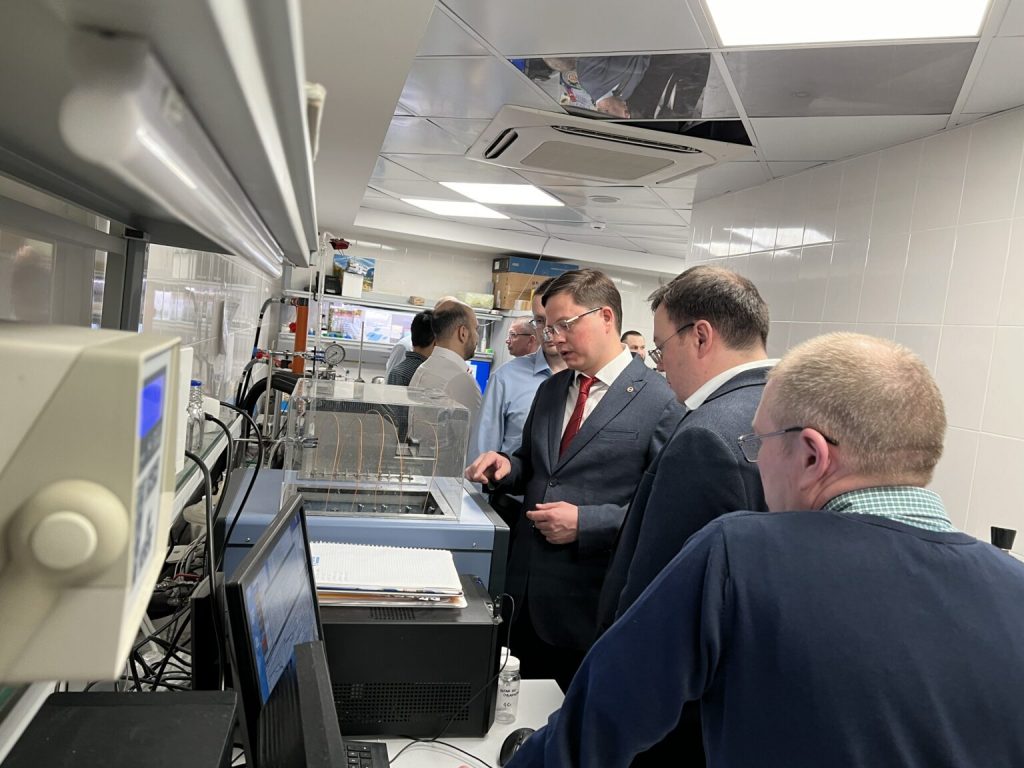
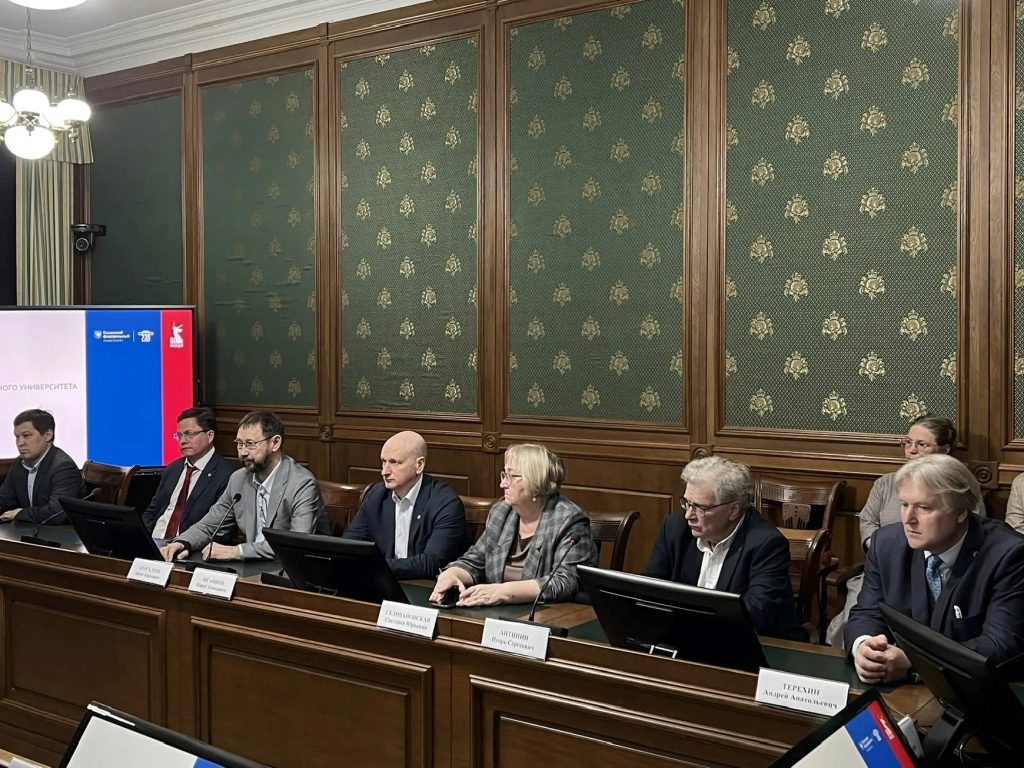
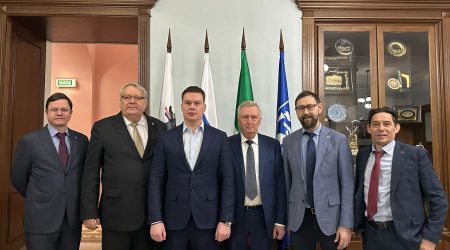
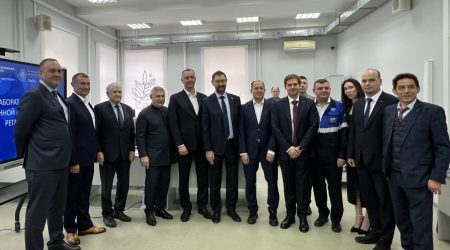
The entity’s delegation, led by General Director Vladimir Solovyov, visited the Institute on 11 April.
During the visit, representatives of Novatek, including Deputy General Director and Chief Geologist Andrey Devyatov, Deputy General Director for Drilling Maxim Grigoryev, and Deputy General Director for Development Alexander Zaitsev, met with KFU management.
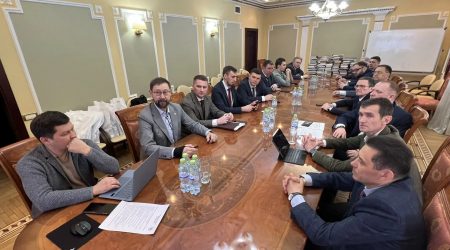
KFU representatives at the meeting included Danis Nurgaliev, Vice-Rector for Earth Sciences; Marat Ziganshin, Director of the Institute of Chemistry; Svetlana Selivanovskaya, Director of the Institute of Ecology, Biotechnology, and Environmental Management; Mikhail Varfolomeev, Director of the Small-Tonnage Chemical Technology Park; Vladislav Sudakov, Deputy Director for Marketing at the Gazpromneft-KFU Scientific and Educational Center; Ildus Chukmarov, Deputy Director for Continuing Education and Industrial Partnerships at IGPT; Andrey Teryokhin, Deputy Director for Educational Activities at IGPT; and others.
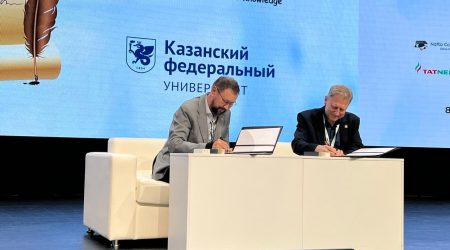
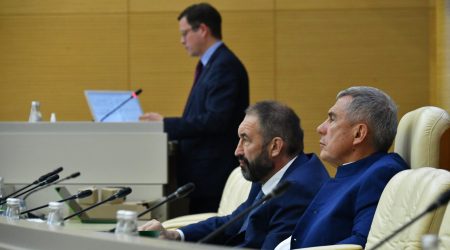
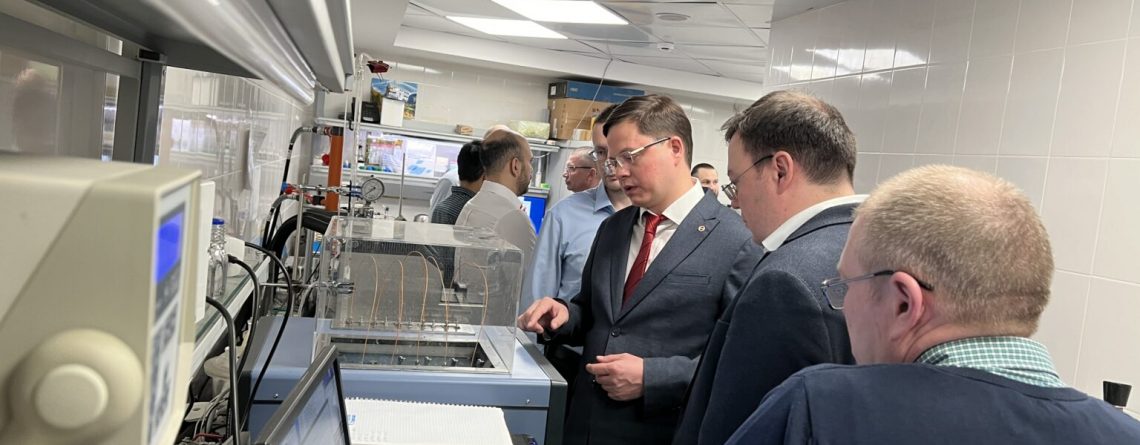
During the event, the parties presented their organizations, discussed ongoing projects, and then discussed a number of issues related to cooperation. That same day, our Institute held a session to discuss priority areas of cooperation and a roadmap. The guests also visited the laboratories and the History Museum.
Novatek is one of the largest Russian companies engaged in the exploration, production, processing, and marketing of natural gas and liquid hydrocarbons, with which Kazan University has had a long-standing partnership, noted Danis Nurgaliev, summing up the meeting with representatives of its scientific and technical department.
“This year, we visited Novatek’s laboratory and research center in Tyumen with a large delegation,” recalled the KFU Vice-Rector. “Now, a large delegation has come to visit us. We discussed many important issues across virtually all areas, from exploration to production, treatment, and transportation of gas. We identified a dozen areas in which we can collaborate. Furthermore, we summarized the progress we have made in reaching the final stages of several projects already underway.” According to Nurgaliev, the scope of cooperation with Novatek will significantly expand. These include educational programs, joint conferences, seminars, and much more.
“We discussed more than ten areas in which we plan to work together. The guests were thoroughly acquainted with Kazan University’s capabilities in geology, oil and gas engineering, and oilfield chemistry,” noted Varfolomeev.
Aleksandr Zaitsev, Deputy General Director for Development at Novatek STC, spoke about research that was of particular interest to him and his colleagues, “We were very interested in your research related to the development of new anti-agglomerants, which, on the one hand, bind water into hydrates, and on the other, if hydrate formation occurs, prevent the hydrates from coalescing into large agglomerates and adhering to equipment surfaces. I believe the use of such reagents will be a real breakthrough in the oil and gas industry, leading not only to cost optimization but also to changes in all technological processes and their equipment design where there is a risk of hydrate formation. Another area in which I would like to collaborate with KFU is related to the development of hydrate technology. You have achieved some success, increasing conversion to 90 percent, while reducing the hydrate formation time. Your scientists have also succeeded in increasing hydrate shelf life within a certain temperature range. A third promising area involves reducing the mineralization of formation waters. You are developing reagents that promote the binding of calcium, sodium, silicon, and carbonate ions so that they do not adhere to the hot surfaces of oil and gas equipment, but are instead discharged into the drainage system.”